Showing posts with label upside down cake. Show all posts

Sunday, 15 February 2015

Blood orange and almond sponge


When I saw some beautiful blood oranges for sale I bought two without really knowing what I was going to do with them.  Did I mention how beautiful they were?  Having given the matter some thought, I decided on a blood orange upside down cake but wanted something a little more than a standard sponge.  One of my first ever posts, way back in the mists of 2007, was an almond sponge.  I have taken this recipe and switched the variety of sugar (from caster to soft light brown) and added some zest. 


Orange and almond is a lovely combination – both add so much in terms of flavour and texture.  The first hit is the sharp citrus zing of the orange, then the almost creaminess of the almond takes over.  The cake keeps beautifully for days; it actually improves with age as the almond releases its oil…I think this is almond’s greatest gift to baking!


Blood oranges can be a bit of a lottery; until you cut it open you never know whether it will look disappointingly like an ordinary orange or gloriously, glowing red.  Mine had flashes of red but weren’t the vivid red I was hoping for.


This post will be my last for a while.  I’m going to take a short break from blogging.  If I’m honest, I feel like I’ve lost my baking mojo of late; I haven’t yet settled into my new kitchen and need to have a tinker with the layout to get things right so I feel happy and relaxed again during my baking.  Fear not – I am the Arnold Schwarzenegger of baking….I will be back!


Ingredients

For the blood oranges:
50g unsalted butter, at room temperature
50g soft light brown sugar
2 blood oranges, peeled and cut into slices

For the sponge:
225g unsalted butter, at room temperature
225g soft light brown sugar
4 eggs
Grated zest of one blood orange
1 teaspoon almond extract
225g plain flour
1 teaspoon baking powder
50g ground almonds


Method

Preheat the oven to 160C/fan oven 140C/325F/gas mark 3.

Line a 20cm round with baking paper.  It is advisable to wrap the outside of the tin with foil in case the oranges ooze juice during baking – better to have a sticky tin, than a sticky oven!

Start by making the blood orange layer: beat together the butter and sugar until it is whippy and well combined. 

Spread, as best you can, over the bottom of the cake tin.

Lay the blood orange slices over the bottom of the cake tin – pack them in as tightly as you can so it will look pretty when you turn the cake out (the bottom during baking will become the top when the cake is turned out).

Now make the sponge: beat together the butter and sugar until the batter is light and fluffy looking.  Do not skimp on this stage.

Beat in the eggs, one at a time.

Beat in the orange zest and almond extract.

Fold in the flour, baking powder and ground almonds.  It will be  a firm batter but this is ideal as it will absorb the orange juice and hold its shape.

Spoon the batter over the blood oranges, taking care not to disturb them.

Level the surface and then spread the batter from the centre out to the edges so it ends up with a dip in the centre i.e. the batter is higher at the edges than the centre.  This will help keep the top level during baking; the top will become the base of the cake when baked so keeping it level will save having to cut any cake away when baked.

Bake for approximately 1 ½ hours or until a skewer inserted in the cake comes out cleanly. (Start testing the cake after an hour and 10 minutes).

Let the cake cool in the tin for about 20 minutes before turning out and leaving to cool completely on a wire rack.  If the top of your cake has peaked during baking, level the surface with a knife before turning out.

Leave to cool completely on the wire rack.

Serve either on its own, or with a blob of cream.

Bask in the glory of the wonderful thing you have created.


Eat.

Sunday, 13 April 2014

Medlar and cinnamon upside down cake


This week’s bake turned into a bit of a voyage of discovery that all commenced one lunch time as I passed a Mediterranean greengrocers and saw a box of fruit labelled ‘medlars’.  I suspected they weren’t medlars because the medlars I’d seen were like oversized rosehips.  So I bought some and then went off to do my research (I know that’s the wrong way round – I should have researched first, but that’s just not the way I roll).


I googled medlars and site after site came up with the rosehip-looking type.  Dead end after dead end.  So I put my faith in google; I typed “soft fruit medlars that look a bit like apricots” and bingo!  I asked and the internet delivered.  What I had were loquats aka Japanese medlars aka Japanese/Chinese plums or biwa if you prefer.  It seems to be the fruit of a thousand names!


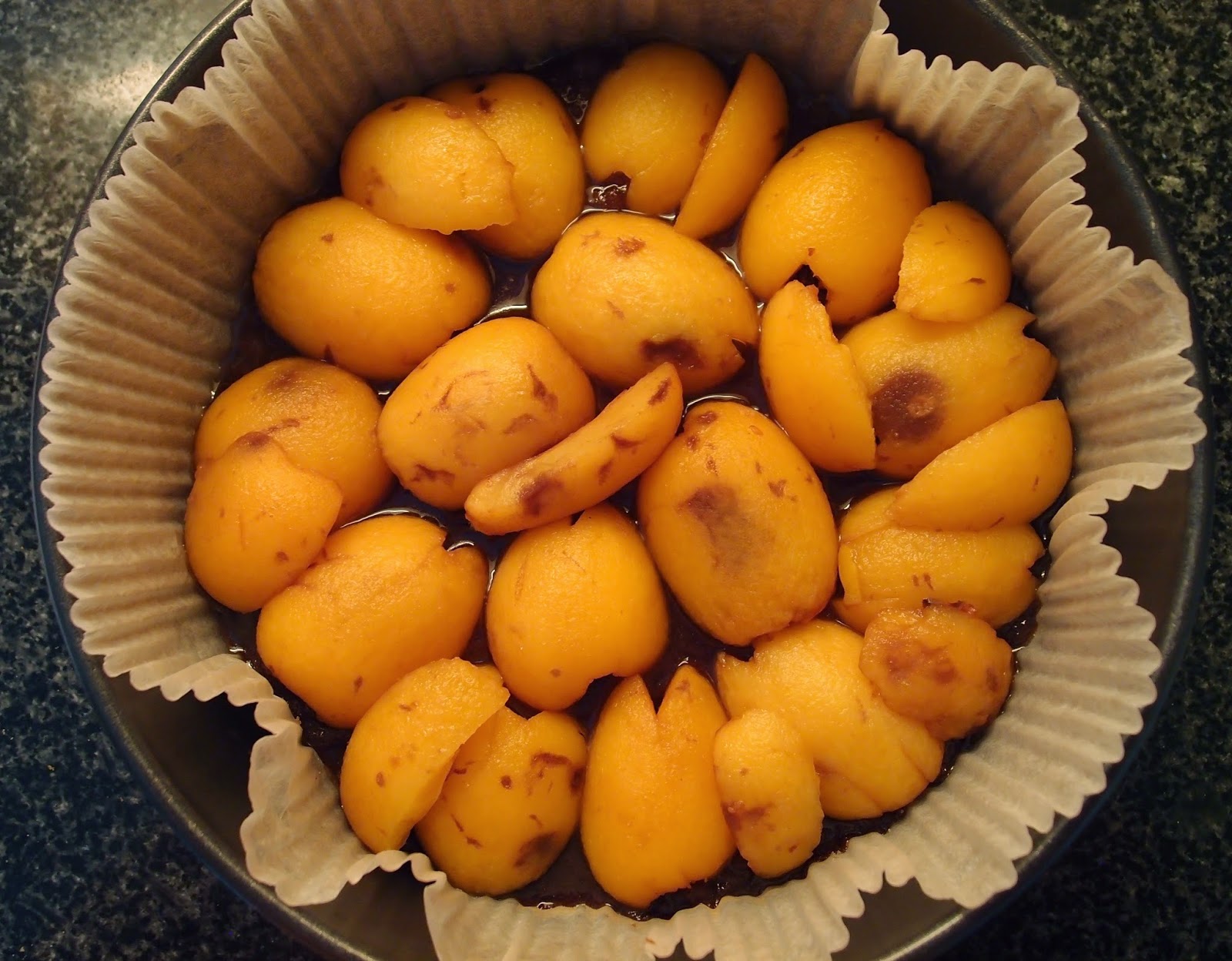
Mine felt like ripe apricots and the skin peeled off easily without needing to dip the fruit in boiling water.  For this cake I probably could have left the skin on as it’s very thin but I didn’t want to risk it.  The stone comes out easily but I also peeled away the thin white papery layer around it.


They have a beautiful flavour and were really juicy.  Imagine a less gingery mango with elements of orange, peach and apricot and you’d be getting close.  Fruity and sweet at first but finishing with a sharper acidic flavour I really fell for them in a big way and wished I’d come across them sooner.


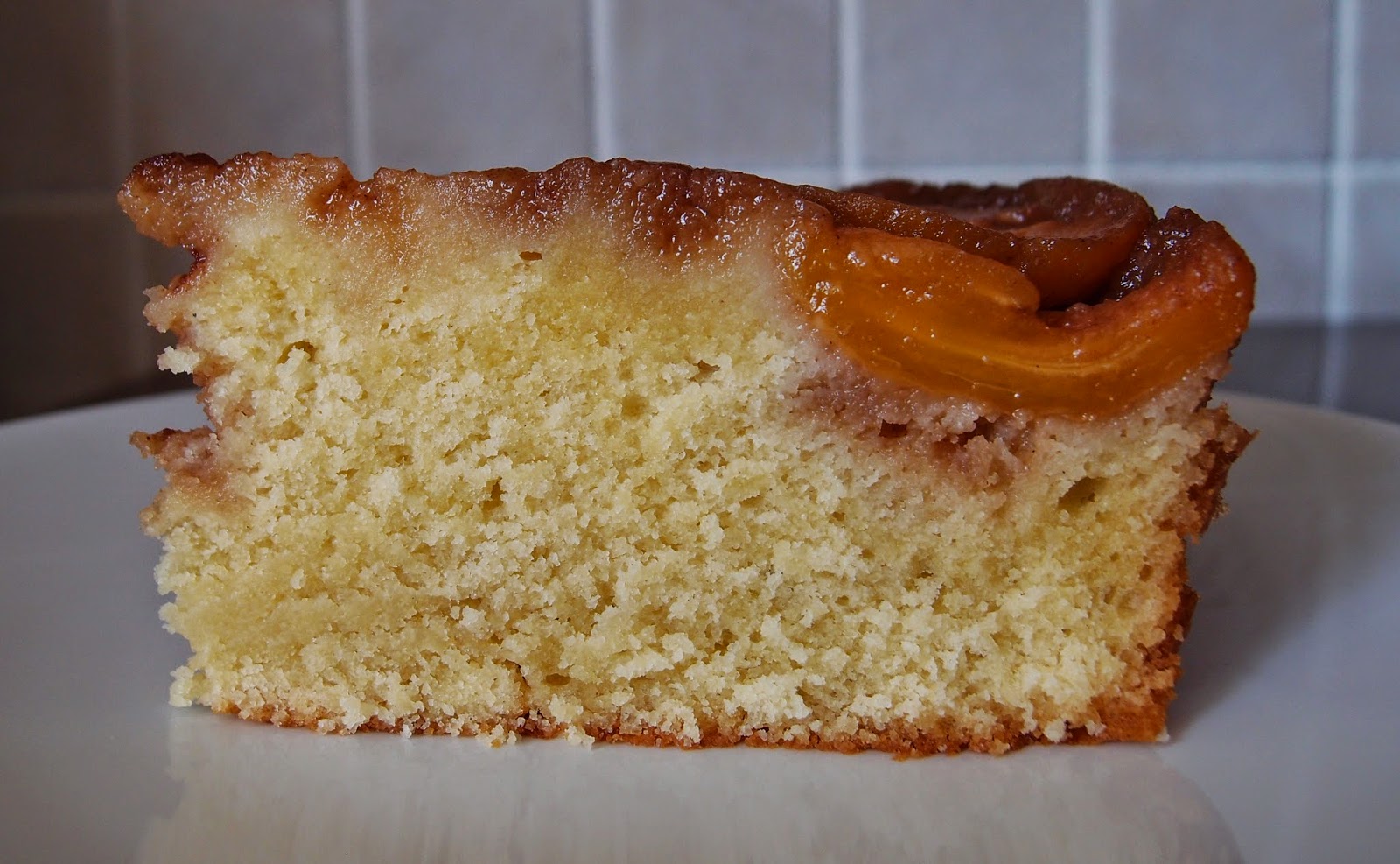
This upside down cake contains cinnamon and vanilla, two spices that work well with most fruits.  You could serve this cake at room temperature for afternoon tea, or hot with custard or ice cream for dessert.


Here’s to more happy discoveries at the greengrocers!


Ingredients

For the base of the cake:
10-12 medlars, halved, stoned and peeled -  prepared weight 340g
60g unsalted butter
125g soft brown sugar
1 teaspoon ground cinnamon

For the sponge:
140g unsalted butter, at room temperature
140g golden caster sugar
2 eggs, plus 1 white
2 teaspoons vanilla extract
200g plain flour
1 ½ teaspoon baking powder
75ml milk

To serve: cream, ice cream or custard


Method

Preheat the oven to 180°C/fan oven 160°C/350°F/ gas mark 4.

Use an all-in-one liner for a 20cm round springform tin.  If you don’t have a liner, wrap the outside of the tin in foil as you don’t want anything to leak during baking.

Start by making the base: Place the butter in the cake tin and put into the oven for about 3 minutes or until it has just melted (but isn’t burned or bubbling).

Stir in the brown sugar and cinnamon.

Arrange the fruit into the butter mix and put the tin to one side.  I put my medlars cut side down so they sat flush to the tin.

Now make the sponge: beat the butter and sugar until pale and whippy.  Don’t skimp on this stage.

Beat in the eggs one at a time followed by the additional white and vanilla.

Stir in the flour, baking powder and milk and mix until the batter is smooth and well combined.

Spoon over the fruit taking care not to disturb it.

For upside down cakes it’s important that the cake doesn’t ‘dome’ too much whilst baking because, when you turn it out, this will become the bottom.  I manage this by making a dip in the centre and building up the batter around the edge of the cake – during baking this usually settles out to an even layer.

Stand the cake tin on a tray in case the caramel bubbles up and bake for approximately 1 hour but check after 40 minutes to ensure the top isn’t browning too much.  If it is, loosely cover it with foil and continue to bake until a skewer inserted into the cake comes out clean.

Leave to cool for 30mins-1hour in the tin before turning out and leaving to cool completely.  If you’re serving for a dessert turn out after about 10 minutes cooling time.

Bask in the glory of the wonderful thing you have created.


Eat.