Showing posts with label fruitcake. Show all posts

Sunday, 27 July 2014

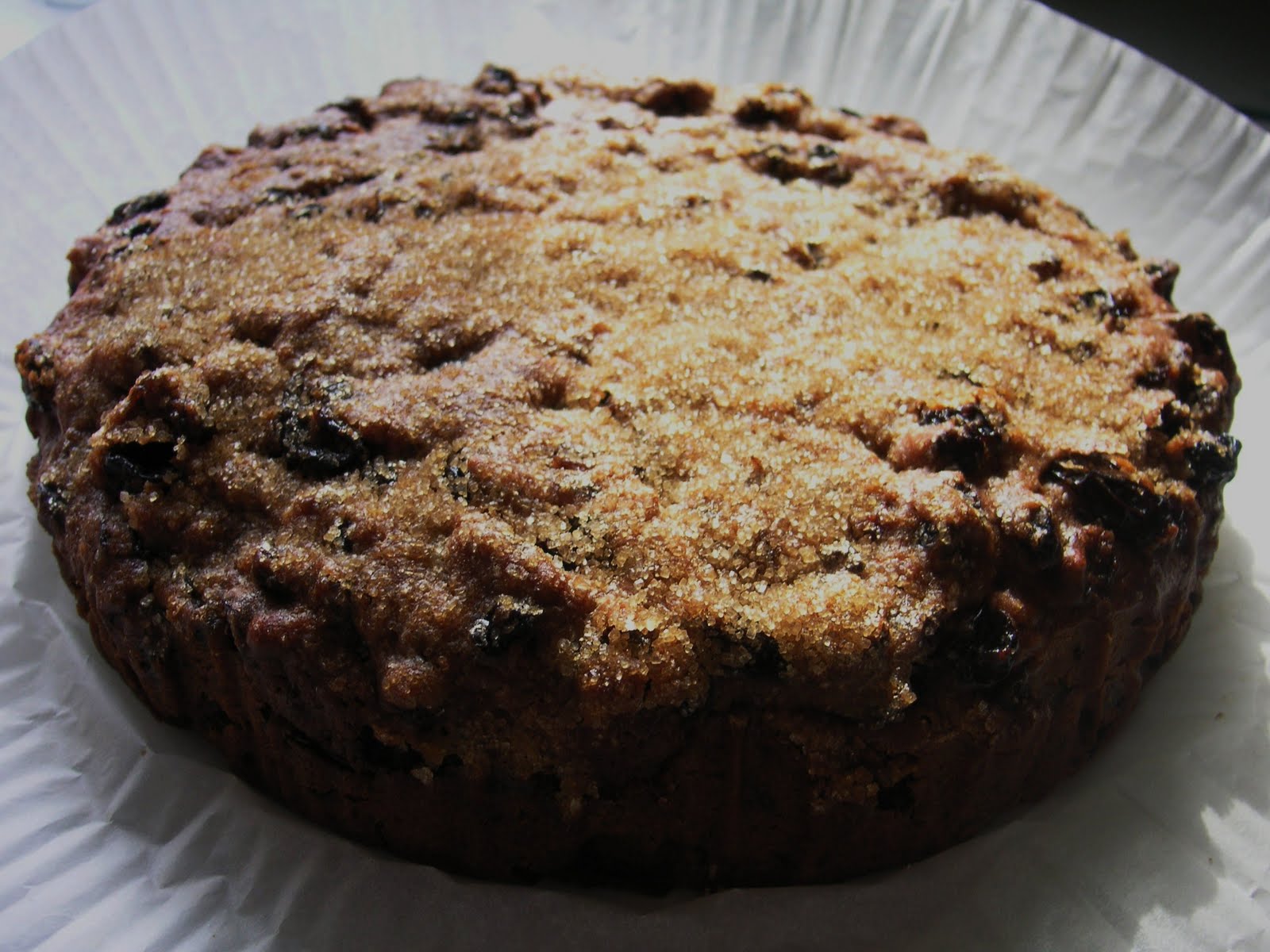
Light ginger fruit cake


If you find traditional celebration fruit cakes too rich and heavy this may well be the cake for you.  Once baked it will store just like its heavier counterparts, and can also be decorated.


There are two options with this recipe – you can soak the fruit in 200ml of ginger wine and bake a spongy, light fruit cake; or you can take the route I did and use 400ml of ginger wine resulting in a cross between a fruit cake and bread pudding.  My cake came out dark and squidgy but was still light.


On my travels I came across Gran Stead’s ginger wine
.  I’m glad I went for the “dark and mellow” rather than the fiery one as it still had some sting to it!  It’s also non-alcoholic so the finished cake doesn’t have that burn of booze that some cakes have.


This cake keeps for ages –just like its more traditional cousins...but, you might also want to bear in mind how awesome it is warmed up and served with custard or ice cream (my nod to summer!) as a dessert.


Ingredients

350g raisins
125g sultanas
125g currants
200ml or 400ml ginger wine – depending on whether you want a spongy or a pudding-y cake, plus 4 tablespoons extra
200g unsalted butter, at room temperature
200g dark muscovado sugar
4 eggs
200g plain flour
50g ground almonds
1 teaspoon mixed spice
2-3 teaspoons ground ginger, depending how hot you want it!
1 tablespoon black treacle


Method

The night before you make the cake place the dried fruits and ginger wine in a bowl to soak.  Stir occasionally.

Preheat the oven to 160°C/fan oven 140°C/320°F/gas mark 3.

Line a 20cm round springform tin with baking paper ensuring that the paper comes up about 2cm above the height of the tin.

Beat together the butter and sugar until smooth and well combined.  The mixture will lighten a bit in colour.

Beat in the eggs one at a time, adding some of the flour if it looks like it might curdle.
Mix in the flour, almonds, spices and treacle.

Stir in the soaked fruits along with any liquid left in the bowl.

Spoon into the tin (it will come up almost to the top) and level the surface.

Bake for 30 minutes then lower the temperature to 150°/fan oven 130°C/300°F/gas mark 2 and bake for a further 1 ½ - 2 hours, but definitely check after 1 ½ hours as mine was almost done.

As soon as the cake comes out of the oven, pierce all over with a skewer and brush on the 4 tablespoons ginger wine.

Leave the cake to cool completely in its tin before removing and wrapping in baking paper and foil.  Once wrapped the cake will keep for up to 3 months.  If however, like me, you wish to eat the cake straight away, simply de-tin it and put it on a serving plate!

Bask in the glory of the wonderful thing you have created.

Eat.


Sunday, 4 May 2014

Norfolk vinegar cake


There cannot be many words less appealing to see included in the title of a cake than vinegar.  Corned beef perhaps?  Mustard?  Socks?  I think the vinegar is added to turn the milk into a buttermilk i.e. the acidity curdles the milk a little.  Rest assured; the cake does not taste of vinegar…now that would be a tough sell! (Although perhaps not so much to me as I adore vinegar and will put it on virtually any savoury item given the chance – try it on cabbage for a taste sensation; you’ll never look back.)


This is a light fruit cake – it’s not a full on ‘house brick in your stomach’ slab of Christmas cake.  It’s actually like a cross between light fruitcake and bread pudding.  Mr CC is always partial to a light fruit cake so I thought I would make it for him to enjoy over the Bank Holiday weekend.  He did admit he was repelled by the word ‘vinegar’ in the cake’s name but he got past it when a glorious sweet smelling fruit cake emerged from the oven.  My photos probably make it appear over-crumbly because I cut it when it was still slightly warm; normally I bake the day before I cut but couldn’t this time.


Fruit cake has its haters and I can understand that if dried fruit’s not your thing then this is probably not your dream cake, but for me it’s a perfect concoction of cake and fruit, both of which I love.  I also like its unfussy nature – no icings or buttercreams, no fancy preparation and no fancy equipment needed.  It’s the sort of recipe our ancestors would’ve enjoyed and I take comfort in that.  A fruit cake is like a big hug from the past.


It also keeps well.  The only thing better than cake is more cake.  There is nothing as pleasing as having a cake in the tin you can cut from every day until it’s gone and it keeps getting better!  Did I mention it’s a big cake? And egg free, so people with egg allergies can enjoy it too.  Hurray!


Ingredients

450g plain flour
225g unsalted butter
225g golden caster sugar
225g raisins
225g sultanas
275ml milk
2 tablespoons cider vinegar
1 teaspoon bicarbonate of soda

Method

Preheat the oven to 180°C/fan oven 160°C/ 350°F/ gas mark 4.

Line a 23cm round springform tin with baking paper.

Place the flour in a bowl and rub in the butter until you have a mix that resembles breadcrumbs.  You can do this in the food processor if you have dexterity issues.

Stir in the sugar, raisins and sultanas.

Measure out the milk then remove one tablespoon of it into a small bowl.

Add the cider vinegar to the larger amount of milk.

Stir the bicarbonate of soda into the tablespoon of milk and ensure it is fully dissolved.

Add to the milk and vinegar mix.  Nothing much will happen initially but then a gentle frothing will occur and the liquid will puff up  - so make sure you’re using a jug that can accommodate some growth!

Add the milk mix to the dry ingredients and stir only enough to combine; don’t over mix.  At first you will think there isn’t enough liquid, but there is and you will end up with a lovely soft cake mix.

Spoon into the prepared tin and level the surface.

Bake for 30 minutes before reducing the oven temperature to 150°C/fan oven 130°C/ 300°F/ gas mark 2.

Bake for a further hour or until a skewer inserted into the cake comes out clean.  Check the cake after 40 minutes anyway, and if it’s browning too quickly cover loosely with foil for the rest of the cooking time.

Leave to cool in the tin on a wire rack for 30 minutes, or until it is cool enough to safely handle.

De-tin and leave to cool completely.

Bask in the glory of the wonderful thing you have made.


Eat.

Sunday, 2 March 2014

Famous Faces’ Favourite Fancies - Genoa cake


Can you believe the last ‘Famous Faces’ post was April 2013?  Why have I left it so long?  I have no answer to that as I do have a stash of them to post.  For those of you (all of you I’d imagine, given my tardiness!) who’ve forgotten what this is all about, basically I wrote to a bunch of celebrities I liked and asked them to tell me their favourite cake.  Which I then bake and post the recipe for.


I thought I’d kick start my Famous Faces posts with a national treasure – June Whitfield.  Hard though it is to believe, June started her career on the radio in the 1940s!  To me, she’s one of those utterly timeless people who never appears to age.  I remember her in my childhood from TV shows such as ‘Terry & June’ but perhaps my favourite role of hers, and I suspect the one most known to non-UK readers of my site, was as Edina’s mother in ‘Absolutely Fabulous’ where her seemingly innocent yet withering put downs were delivered with brilliant ease.


June has selected Genoa cake although she caveats that with ‘not too often’.  Maybe we’ll have to politely disagree on that one....!


Genoa cake is a British classic and is based on
the Pandolce cake which originated in 16th century Genoa as a Christmas cake. It’s lighter than a traditional Christmas heavy fruitcake (think more the texture of a tea loaf) and has no icing.  The top is decorated with cherries and almonds. It seems, based on all the pictures I’ve seen, to be more commonly baked in a loaf tin rather than a round tin.  I have no problem with that – it is so much easier to cut a loaf cake!


Ingredients

115g unsalted butter, at room temperature
75g light brown sugar
2 eggs
225g dried fruit – I used a mix of sultanas, raisins and currants
75g glace cherries, chopped in half
Grated rind of 1 orange
1 teaspoon ground cinnamon
175g plain flour
1 ½ teaspoons baking powder
50g ground almonds
50ml milk

To decorate:
Handful of glace cherries chopped in half
Handful of whole almonds


Method

Preheat the oven to 180°C/ fan oven 160°C/ 350°F/ gas mark 4.

Line a 900g (2lb) loaf tin with baking paper.

Beat together the butter and sugar until light and creamy.  You will notice the mix turns paler – always a good sign you’ve beaten it enough!

Beat in the eggs, one at a time.

Add the fruit, cherries, orange rind, cinnamon, flour, baking powder, almonds and milk and stir well to ensure all the ingredients have been incorporated evenly.

Spoon into the prepared tin and level the surface.

Gently press the decorate cherry halves and almonds into the top of the cake.

Bake for approximately 1 hour, but don’t worry if it needs longer, or until a skewer inserted into the cake comes out clean.

Leave to cool in the tin for 30 minutes before de-tinning and leaving to cool completely on a wire rack.

Serve in generous slices with a cup of tea.

Bask in the glory of the wonderful thing you have created.


Eat.

Sunday, 10 November 2013

Sultana spice cake with quince curd – and Movember news


There is something about quince that I find appealing.  The last time I tried to describe it I ended up calling it a pregnant apple  and I still think that stands.  It’s almost a hybrid – the offspring of an apple and pear.  It has a gentle fragrance and a softly gritty texture (like a pear).


The one thing about quince that puts me off using it is how hard it is to chop.  But not this time!  I was very kindly gifted a knife sharpener by the nice people at Handpicked Collection 
and I decided to test it out with this task.  All I can say is – wow!  I leant on the knife expecting it to be a struggle to get through the, frankly massive, quince and almost lost my balance as the knife sliced through it without any strain.


I adapted the cake from one of my favourite recipes
 using brown sugar and mixed spice.  It really is a cracking cake and would be a good last minute Christmas cake if you want something lighter than the traditional fare.  It keeps like a dream too.


At the last minute I changed my mind about using the curd to sandwich the cake.  The reason for this was that it would’ve meant the whole cake needed refrigeration and I wasn’t sure the cake would keep well like that.  I served it on the side, as you would cream, but it would also be nice to spread it on the cake like butter.


Now, the observant among you will have noticed it’s November...or Movember as it’s known in Caked Crusader Mansions.  Mr CC has manned up again and is currently sporting a fairly sparse collection of whiskers that will shortly amount to a fine ‘tache...we hope!  If you wish to donate to a fabulous cause (fighting prostate and other male cancers) please visit Mr CC’s Mo space.  Please leave your name (or blogger name if you prefer) and I will enter you into my prize draw to win this:


Yes!  A totally awesome Nordicware bundt tin.  Because it’s such a good cause I will send the tin anywhere in the world so please don’t feel you can’t join in if you’re outside the UK; last year’s prize went to Poland.  I will draw the winner at the end of November.  Every donation helps, and justifies Mr CC sporting a bandito through my and his mother’s birthday party photos every year!  Thanks for any donation you can make.


Ingredients:

For the cake:
250g unsalted butter, at room temperature
125g golden caster sugar
125g light brown sugar

3 eggs, beaten
2 teaspoons mixed spice
320g sultanas
375g plain flour
1.5 teaspoons baking powder
170ml buttermilk

For the quince curd:
400g quince – peeled, cored and chopped.  400g is the prepared weight.  This will amount to one huge, or 2-3 normal quinces
65g lemon juice – I needed 2 lemons
125g caster sugar
4 eggs
75g unsalted butter – straight from the fridge


How to make:

Preheat the oven to 160°C/fan oven 140°C/315°F/Gas mark 2-3.
Line a 23cm round springform tin with baking paper.  Make sure the paper comes up above the height of the tin.

Cream the butter and sugar until light and fluffy. This is a big cake that uses large quantities of ingredients so it will take longer to cream the butter and sugar. Don’t skimp!

Gradually beat in the egg and mixed spice. If the mix looks like it’s curdling add some of the flour.

Stir in the sultanas.

Fold in a third of the flour and baking powder, then a third of the buttermilk, then a third of the flour and so on until both are fully combined.

Spoon into the prepared tin and level the surface.

Bake for 1 - 1 ¼ hours or until a skewer comes out cleanly. Mine took 1 hour 5 minutes.  Cool for 30 minutes before removing from the tin and allowing to cool completely on a wire rack.


While the cake is baking and cooling you can make the curd: place the chopped quince in a saucepan and cover with cold water.

Bring to the boil then simmer until the quince is soft – mine took about 40 minutes, but as all fruits will be different I’d start checking it after 20 minutes.

Drain the quince and puree, while still warm, to a pulp.

Place the pureed quince into a glass or metal bowl and rest the bowl over a pan of simmering water, taking care that the water doesn’t touch the bowl.

In a separate bowl beat together the lemon juice, caster sugar and eggs.  You only need to beat until they are combined – you’re not looking to add volume to the mix.

Pour the egg mix into the quince and cook – stirring very regularly – until the mixture thickens.  This may take 20 minutes or more.

Once cooked, remove from the heat and stir in the cold butter.  This will make the curd shiny.

There is no harm in passing the curd through a sieve at this stage - just in case there are any eggy bits.

Leave to cool before refrigerating.

Up to this point, the cake can be made a day in advance of serving.

Assemble the cake when you’re ready to serve it: either slice the cake through into two or three layers and then sandwich with the curd, or cut slices and spread the curd on as if buttering it.  I decided to serve it on the side, like you would whipped cream.

Bask in glory at the wonderful thing you have made.

Eat.

Sunday, 29 September 2013

Turkish Tahini cake


Jacqui Small Publishing really is becoming one to watch for any (slightly obsessed) book buying baker (i.e. me!).  I’d had Roger Pizey’s “Worlds Best Cakes” on my radar for a little while, waiting for it to be released and – joy of joys – I was offered a copy to review!  Please also see the offer for all readers at the end of this post.


Like many bakers I read my books when they arrive and tab the pages that interest me.  As you can see there were quite a lot of tabs in this lovely book leaving Mr CC to suggest that it might be easier if I tabbed the pages of things I didn’t want to make!


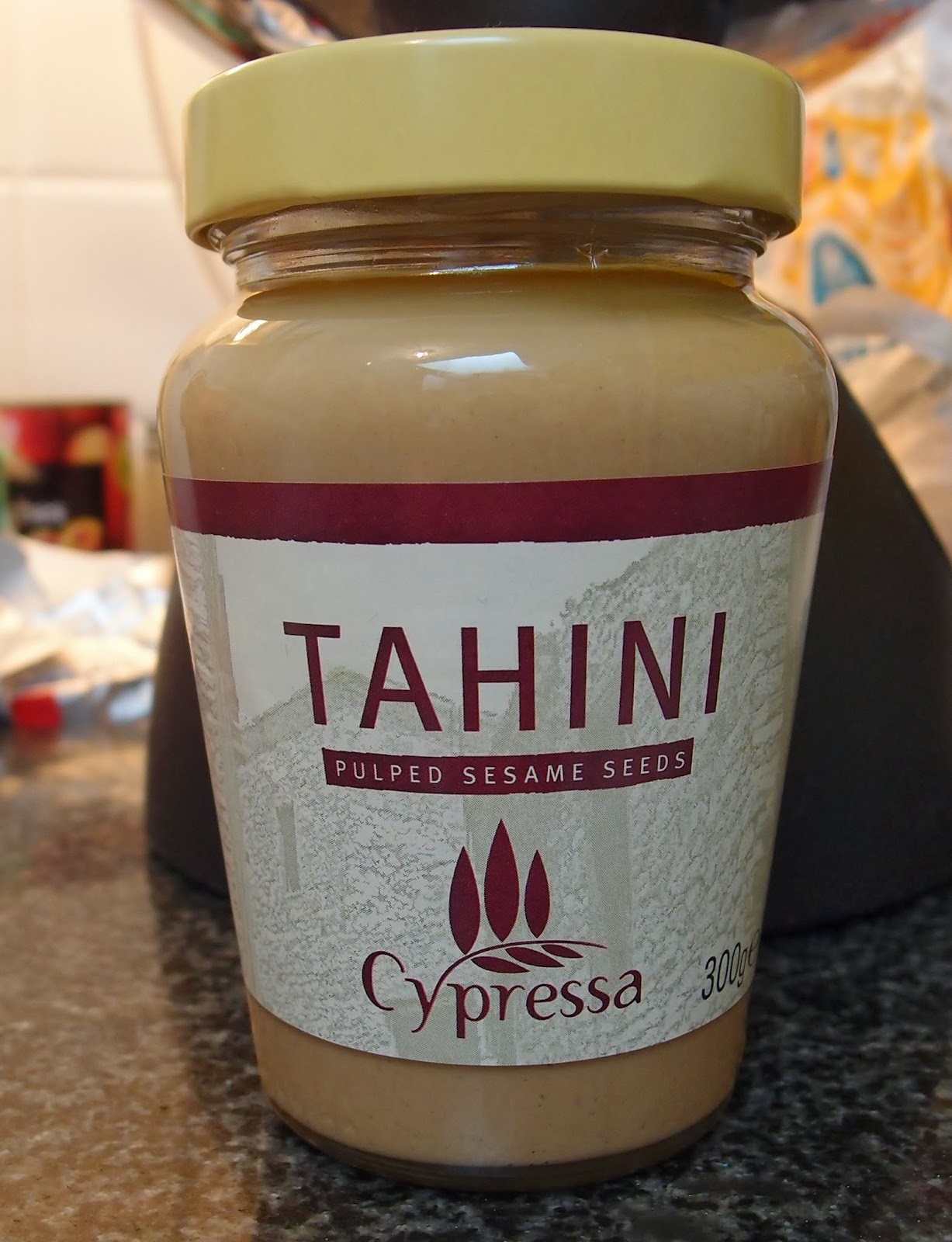
I will be making so many recipes from this encyclopaedic book and what I particularly loved was the variety: easy to difficult, simple flavours to complex, everyday to exotic.  It truly covers the globe and my eyes (OK, my stomach!) were drawn to this Turkish tahini cake for several reasons – I love tahini but have never considered it a baking ingredient; also, the recipe doesn’t contain any butter or eggs, which instantly sets it apart from virtually all my other bakes.  I have never seen a cake like this and the novelty of it excited me.  Make sure you buy a tahini that is pure sesame seed; some were called ‘tahini sauce’ and had lots of other ingredients.


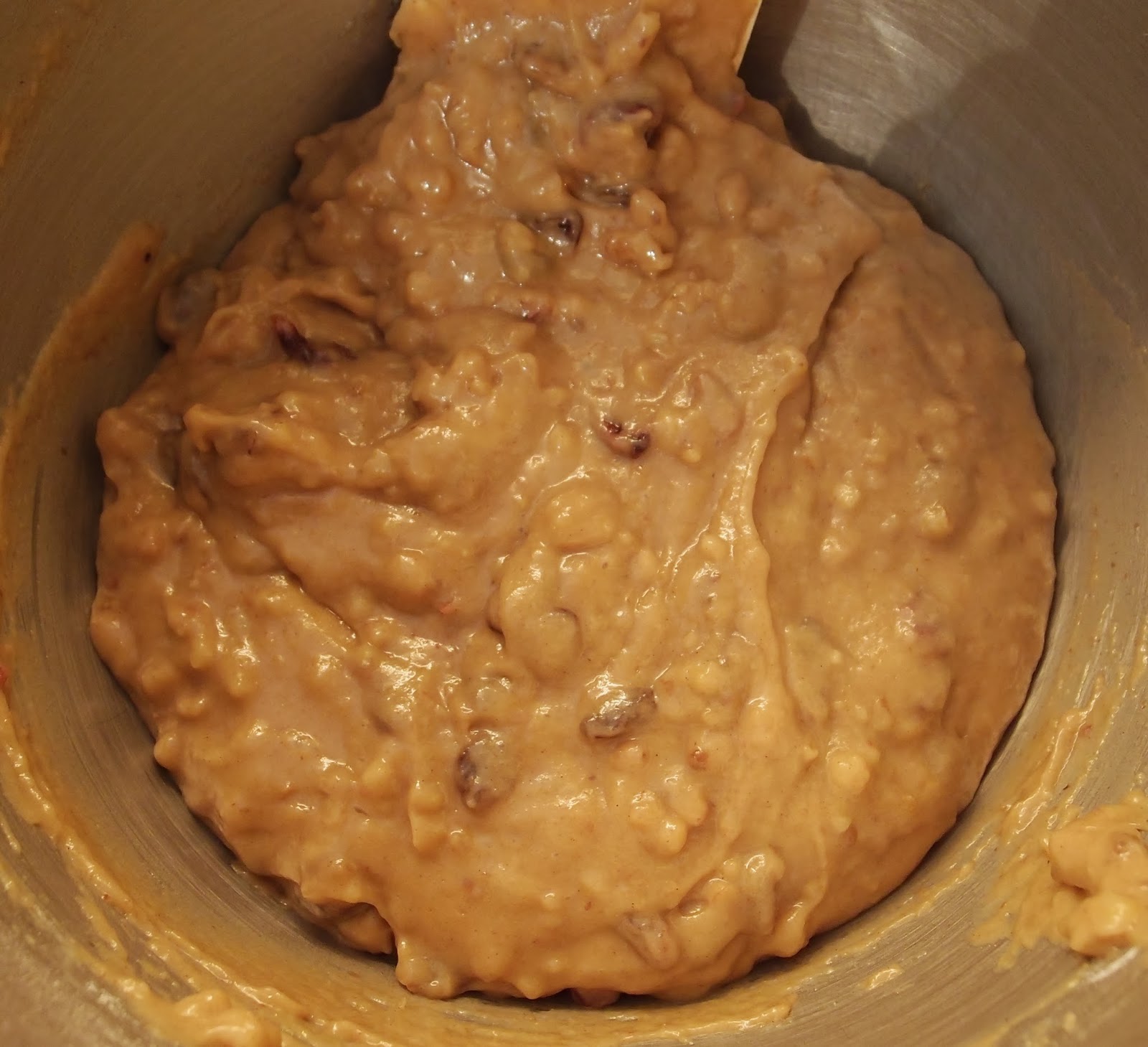
When you think about it, tahini is a perfectly sensible cake ingredient – it’s pretty similar to peanut butter really and we’re all used to seeing that.  It added a gentler, more subtle flavour than peanut butter; I sometimes find peanut butter can overpower everything else, but the tahini sat alongside all the other flavours.  The batter had that lovely almost Christmas cake richness to it:


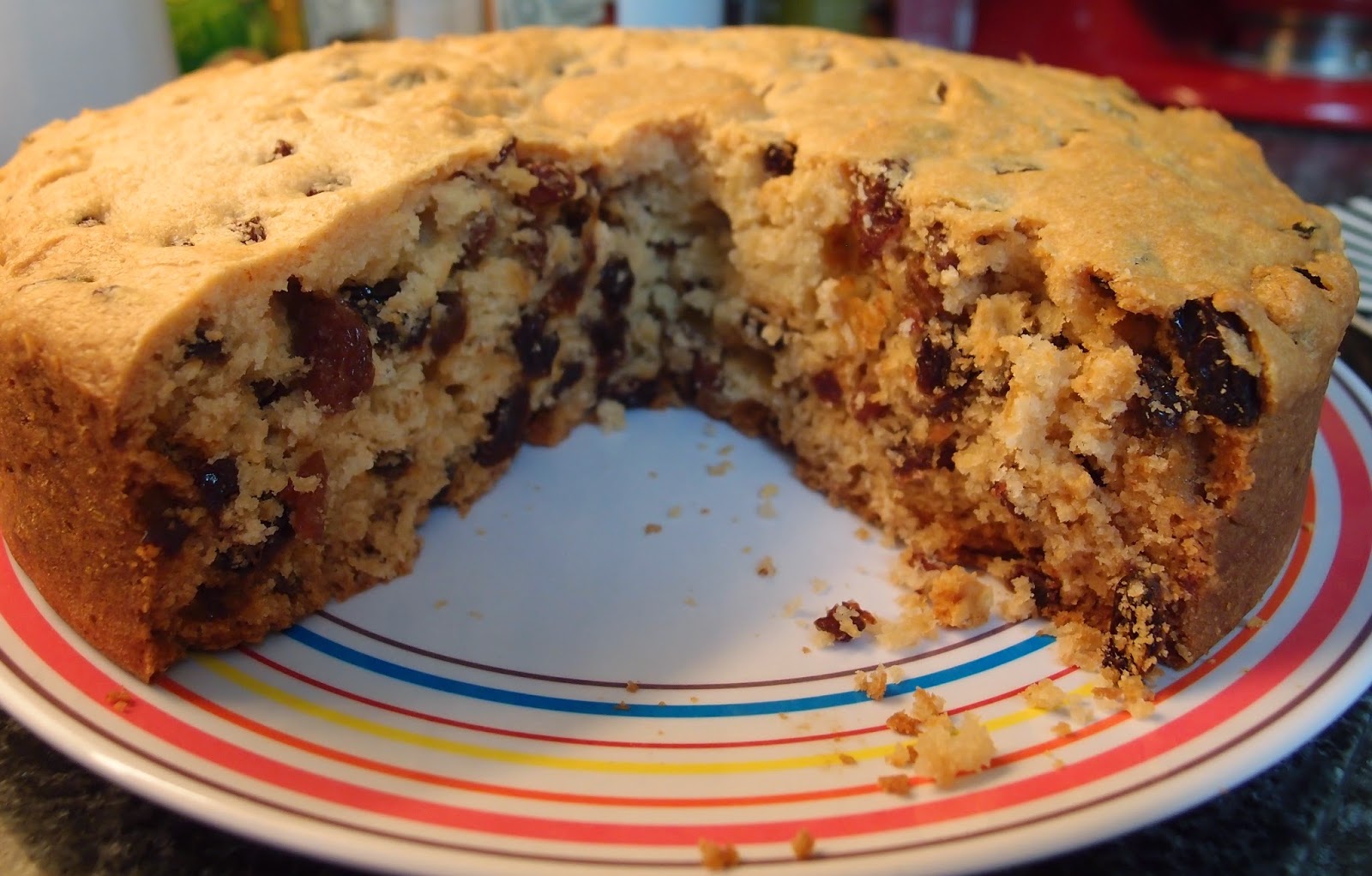
This was a moist cake with a squidgy fruitiness – I loved it.  It is a heavier cake (intentionally so) so don’t make it expecting a light, airy sponge.  It was a perfect cake for an Autumnal afternoon.


To order World's Best Cakes at the discounted price of £24.00 including p&p* (RRP: £30.00), telephone 01903 828503 or email mailorders@lbsltd.co.uk and quote the offer code APG20.
Alternatively, send a cheque made payable to: 
Littlehampton Book Services Mail Order Department,
Littlehampton Book Services,
PO Box 4264,
Worthing,
West Sussex BN13 3RB. 

Please quote the offer code APG20 and include your name and address details. 
*UK ONLY - Please add £2.50 if ordering from overseas.


Ingredients

250g tahini (Make sure you buy one that is 100% sesame - I poured the oil off the top before using)
200g caster sugar
1 teaspoon bicarbonate of soda
2 tablespoons cognac – I used rum because I prefer it!
200g plain flour, plus extra if needed
2 teaspoons ground cinnamon
150g walnuts, chopped
75g glace fruit such as cherries or peel, chopped – I hate glace fruit so used dried morello cherries
75g sultanas
240ml orange juice
3-4 handfuls sesame seeds

Method

Preheat the oven to 170°C/fan oven 150°C/325°F/gas mark 3.  I upped the oven temperature as my cake was not taking on any colour – I would recommend baking at 190°C/fan oven 170°C/375°F/gas mark 5 – but you know your oven.  If things cook quickly stick with the original temperature.

Line a 20cm round springform tin with baking paper.

Beat the tahini until it is smooth and light.

Keep beating and add the sugar gradually.  Beat it as you would normally beat butter and sugar – it behaves similarly.

Mix together the cognac (or rum) and bicarb and beat in.

Weigh out the flour, cinnamon, walnuts and fruit.  Tip half into the tahini mix and beat in.

Beat in half the orange juice.

Beat in the remaining flour and fruits, followed by the orange juice.

The batter should be thicker than a normal cake batter – quite thick and heavy.  If it isn’t add some more flour.  Mine was at dropping consistency so I added three further tablespoons of flour and this made the mix noticeably heavier.

Spoon into the prepared tin and level the surface.

Sprinkle over the sesame seeds.

Bake for approximately 50 minutes or until the cake is dark and a skewer inserted into it comes out clean.

Leave to cool for 20 minutes before removing from the tin and leaving to cool completely on a wire rack.

The cake keeps beautifully and – if anything – the flavours improve over time.

Bask in the glory of the wonderful thing you have created.


Eat.

Tuesday, 27 December 2011

Christmas cake


I hope you all had a lovely Christmas and will have a happy new year too. I stuck to my classics this Christmas, with mince pies, gingerbread men and Christmas cake. I’ve posted them all many times before so thought I’d spare you another trip down memory lane!


I did make some tweaks with my Christmas cake this year so thought I should document them...if only to aide my aging brain come October 2012 when I’m desperately trying to recall what I did!


I stuck with my classic Christmas cake and fondant icing recipe and used brandy as the spirit in the cake this year. The holly decoration is made from leftover fondant icing coloured red and green – I used Dr Oetker natural colouring.


For the marzipan I used the dead easy no-faff recipe that I first tried at Easter with my simnel cake – it tastes divine and is sooooo good natured to roll out. I’ve never had such a lovely smooth covering:


Normally, I only cover the top of the cake, but this year I decided to do a full covering...I have to admit it does look nicer when you cut a slice. I think the key to it is getting the marzipan and icing thin enough so that it doesn’t over power the cake.


Apologies for the slightly fuzzy photos, but it was rather late on Christmas day when I suddenly realised, “oh bother, I am yet to photograph my Christmas cake”. Yes, that’s exactly how the thought formed in my mind.....!

Sunday, 17 July 2011

Light fruit cake


I was on the horns of a dilemma whether to include this recipe on my site. On the one hand, fruit cake seems to be the most universally loathed category of cake, on the other hand I know that lots of people come to my site or email me asking whether I have a recipe for a Manor House style cake. Now I am as scathing about SBCs (that’s shop bought cakes – it’s bad luck to say it in full) as the next cake connoisseur but I have to admit that Manor House cake is a king amongst paupers.


A light fruit cake is quite a different proposition to the heavy, rich dark cake that surfaces at Christmas. There are times when nothing in the world could be more tasty or comforting than a nice wedge of cake brimming with raisins and sultanas.


I would pitch this particular cake as the midpoint between the full-on Christmas cake and a sponge containing dried fruit.

The fruit is cooked in tea, sugar and butter and ends up looking like a treasure trove of lovely things:


Ingredients:

340g mixed dried fruit (I used raisins, sultanas and currants)

100g Demerara sugar, plus 2 tablespoons extra to sprinkle on top

150ml black tea (I used PG tips)

110g unsalted butter

170g self raising flour

½ teaspoon ground ginger

1 teaspoon ground cinnamon

½ teaspoon ground nutmeg

2 eggs, beaten

How to make:

Place the fruit, sugar, tea and butter in a large saucepan and bring to the boil over a medium heat. Stir until the butter has melted.

Reduce the heat and simmer for 20 minutes, stirring frequently.

Remove the pan from the heat and leave to cool.

Preheat the oven to 170°C/fan oven 150°C/325°F/Gas mark 3.

Line a 20cm round springform tin with baking paper.

Place the flour and spices into a large bowl and then stir in the cooled fruit (including the liquid) and the eggs. Work quickly.

Spoon into the prepared tin and level the surface.

Sprinkle the additional Demerara sugar over the surface, if desired.

Bake for 30 minutes then reduce the heat to 150°C/fan oven 130°C/300°F/Gas mark 2.

Cook for a further 1 ¼ - 1 ½ hours or until a skewer inserted into the cake comes out clean.

Leave to cool in the tin for approximately 15 minutes before removing and allowing to cool completely on a wire rack.

Bask in glory at the wonderful thing you have made.

Eat.

Sunday, 24 April 2011

Famous Faces’ Favourite Fancies – Fruit cake and marzipan


Chances are if you’ve ever been at home during the week and turned on the television, you will have come across the legend David Dickinson hosting either Bargain Hunt or, more recently, Dickinson’s Real Deals. What this man doesn’t know about antiques simply isn’t worth knowing but it’s his flamboyant style and eccentric turns of phrase that have made him such a well-loved TV personality. Items aren’t a bargain they’re “cheap as chips” and female contestants are always called ‘girls’ regardless of their age.


I knew that any cake selected by ‘The Duke’ would be a right bobby dazzler and he didn’t disappoint. He sent a very lovely reply to my query re his favourite cake written with a proper ink pen in artistic and flowing handwriting – it really made my day receiving it!


David selected a Christmas cake. He reminisces about his grandmother making the fruit cake a couple of months before Christmas, then later making the marzipan. I love the way he describes licking out the bowl as “heaven” – a sentiment I can totally understand! This was the cake that stood out in his memory but he adds that having an ‘old fashioned’ gran, he was never short of wonderful cake. Yet again, it highlights to me that cake is so cemented in our psyches probably as much for the people we connect it to as the actual cake.


To set about making The Duke’s request I used my Christmas fruit cake recipe and a new marzipan recipe to make a Simnel cake. Simnel cake is a traditional Easter cake comprising of fruit cake with a marzipan topping. The marzipan balls on top symbolise the apostles (minus Judas). I’m not really one for religious symbolism so jazzed the design up with some chicks. Incidentally, when the CCD (Caked Crusader’s Da) saw the cake he asked why it had pickled onions on it!


The recipe for the cake can be found here.


Now anyone who read my recent Battenberg cake post will know that I sometimes struggle with marzipan. Not any more! I came across this easy-peasy recipe and, what do you know? It produces awesome marzipan in a matter of minutes, and it’s all made in one bowl – no heating eggs in bowls balanced on saucepans. The only small issue to point out is that it contains raw egg, so anyone slightly vulnerable with health issues shouldn’t eat it. The recipe is set out below.

My other Easter bakes were :


Easter biscuits (recipe can be found HERE) – they’re so tasty I have to make them every year!


Strawberry, blackberry and raspberry cheesecake (recipe can be found HERE) – no reason other than it’s delicious!


Ingredients

For the marzipan:

230g ground almonds
115g icing sugar
115g caster sugar
2 teaspoons almond extract
2 eggs, separated

Method

Place the almonds and both sugars into a bowl and stir until combined. I did this in my Kitchenaid mixer.

Add the egg yolks and almond extract and mix until well combined.

Add a spoonful of the egg white and beat, continue to add tablespoonfuls of egg white until the marzipan forms into a firm ball.

Roll the marzipan out between two sheets of clingfilm – this means you don’t have to add any more icing sugar to it, plus peel off only one sheet of clingfilm when you wish to position on the cake – you have far more control over it while the clingfilm supports it (obviously put it face down on the cake i.e. so the clingfilm is on top!)

Peel off the clingfilm.

Cut the marzipan to size.

For this cake I rolled out about half of the marzipan to cover the top of the cake and used the rest for the balls.

Bask in the glory of the wonderful thing you have made.

Eat.